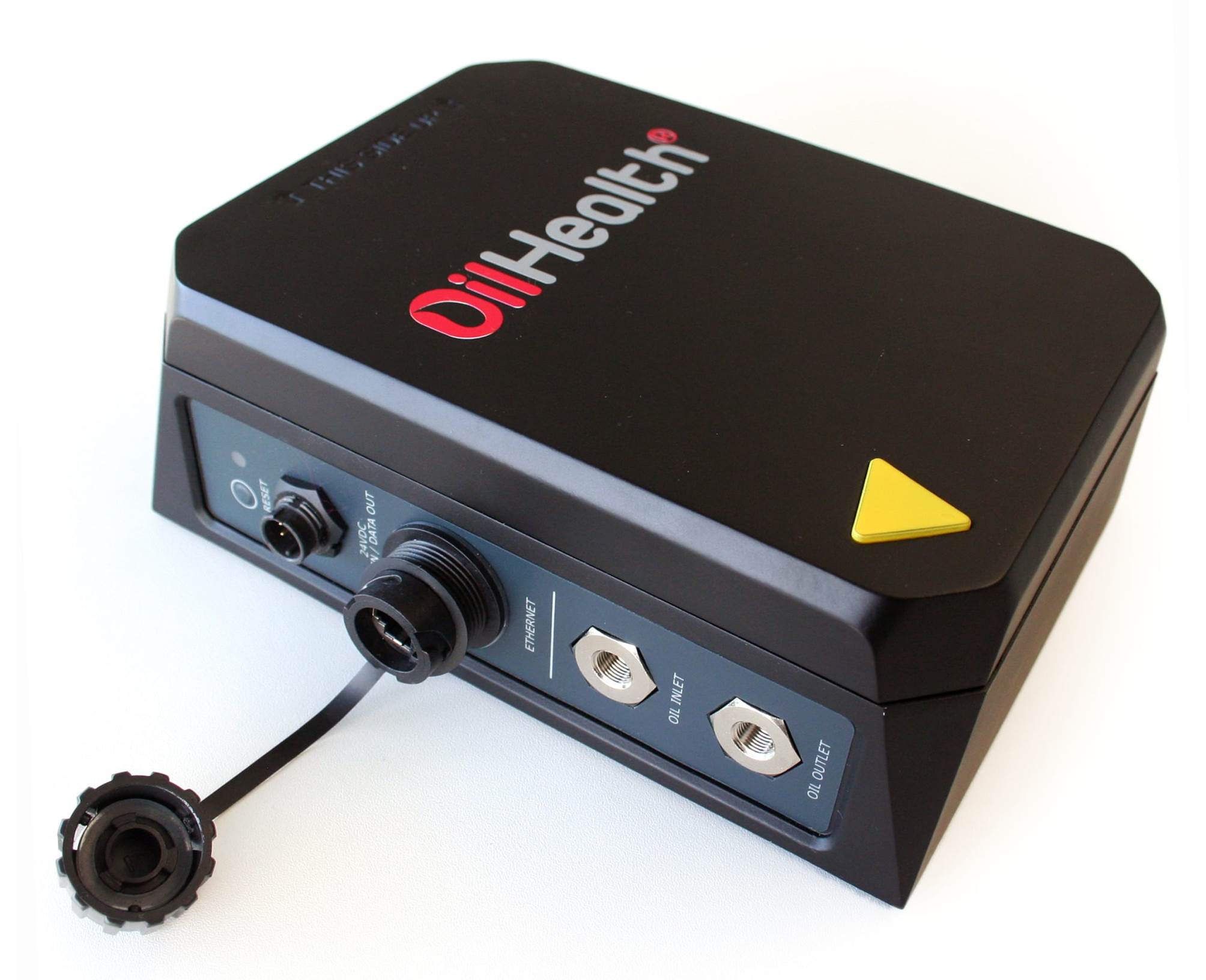
Sensor devices
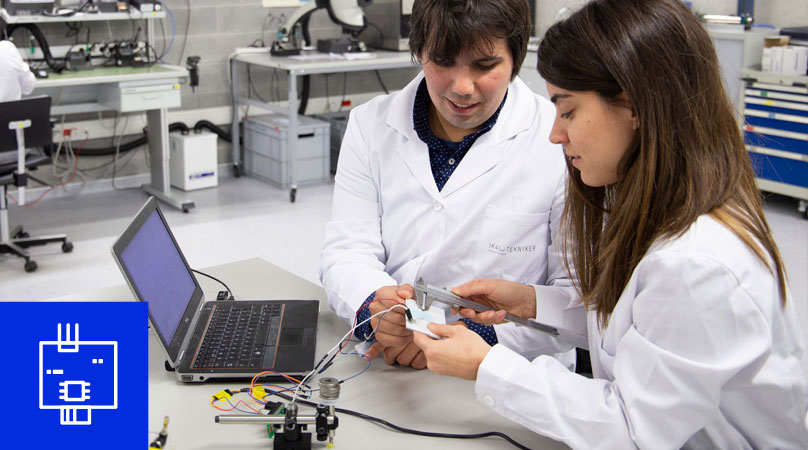
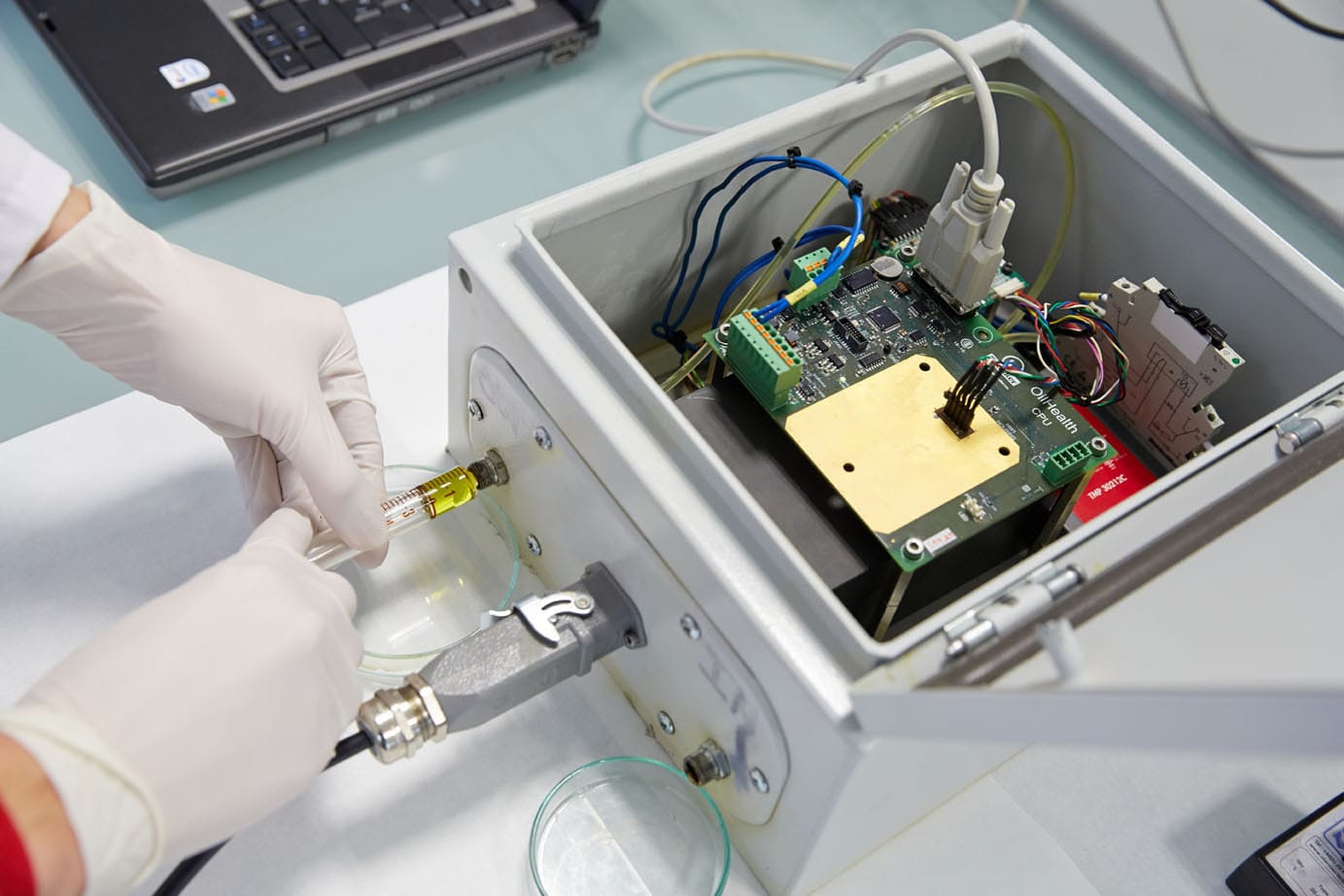
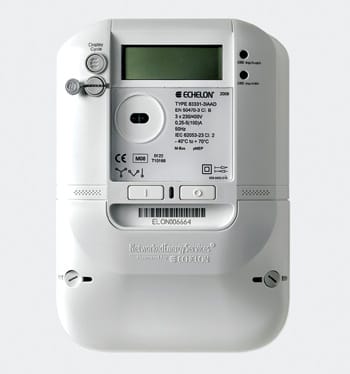
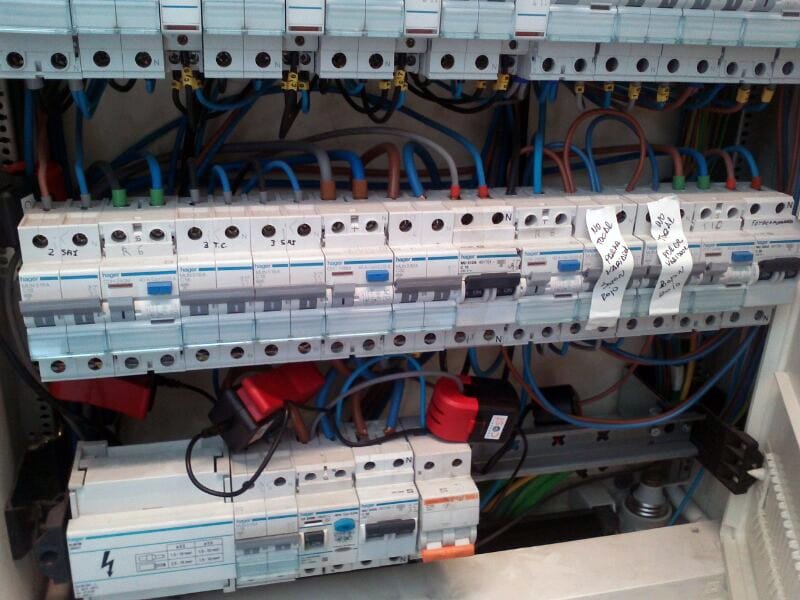
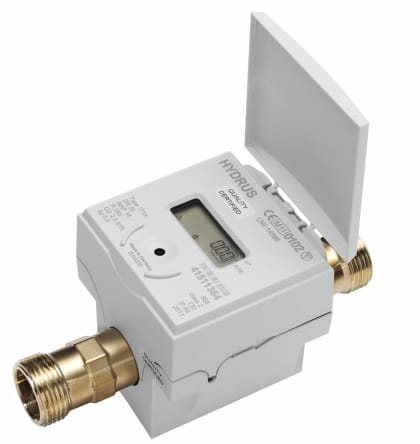
Tekniker develops autonomous solutions, systems and products whose operation and application are based on very diverse technological principles (micromechanics, metrology, photonics, chemistry, electronics, mathematics, acoustics, etc.) and provide services for critical and very demanding sectors such as industry, energy or electromedical.
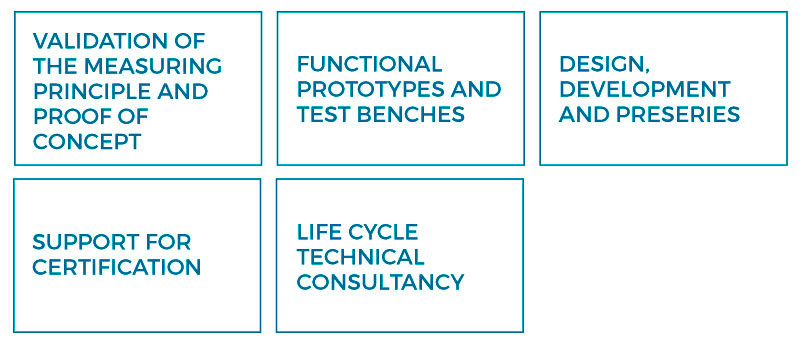
VALIDATION OF THE MEASURING PRINCIPLE AND PROOF OF CONCEPT
- Preliminary analysis and identification of the measuring solution
- Feasibility study of the measuring principle taking into consideration the measurement itself, requirements (functional, regulatory) and integrability
- Proof of concept
FUNCTIONAL PROTOTYPES AND TEST BENCHES
- Design and development of integrated and connected prototypes
- Design and manufacture of test benches
- Verification and validation of measuring and operation under controlled conditions
- An iterative process of development and validation (alpha, beta prototype, etc.) to complete a satisfactory functional solution
DESIGN, DEVELOPMENT AND PRESERIES
- Design focused on preseries/product
- Functional validation tests (measurement, connectivity, etc.) on the field and at-lab (climatic chambers, EMC, etc.)
- Design and verification of tools for serial production
- Coordination to start with the production process, through the involvement of industrialization companies (support, guidance and definition of the manufacturing process)
SUPPORT FOR CERTIFICATION
- Counselling on applicable certification
- Pre-certification tests
- Support for the certification process
LIFE CYCLE TECHNICAL CONSULTANCY
- Development of life cycle management tools
- Procedures for the recalibration of sensors
- Development and integration of product changes or updates
Industrial sectors